Program Details

150+ Hours Instructor-Led Sessions
60+ Hours of Self-Paced Videos
200+ Hands-On Exercises
175+ Hours of Learning
10+ Real-World Projects
Well Structured Curriculum
30+ Hours of Problem-Solving Sessions
Numrous Hackathons and Mock Interviews
25+ Auto-Graded Assessments
30+ Hours of Career Coaching

Master the Latest Tools and Technologies

GitGit
jenkins.pngjenkins
kuberneteskubernetes
seleniumselenium
dockerdocker
ancibalaancibala
nagiosnagios
Pricing Plans

Our Comprehensive & Training Options Pricing Plans

Standard Plan

One-Time Payment

35k+GST

Trainings + Tool access (Life time) + Internal projects

Choose Package
Value Add Plan

Partial Payment

50k+GST

+ + Stipend

Choose Package
Comprehensive Plan

Advance Package

80k+GST

+ + Laptop

Choose Package
Premium Plan

Complete Package

99k+GST

+ + Placement Support

Choose Package
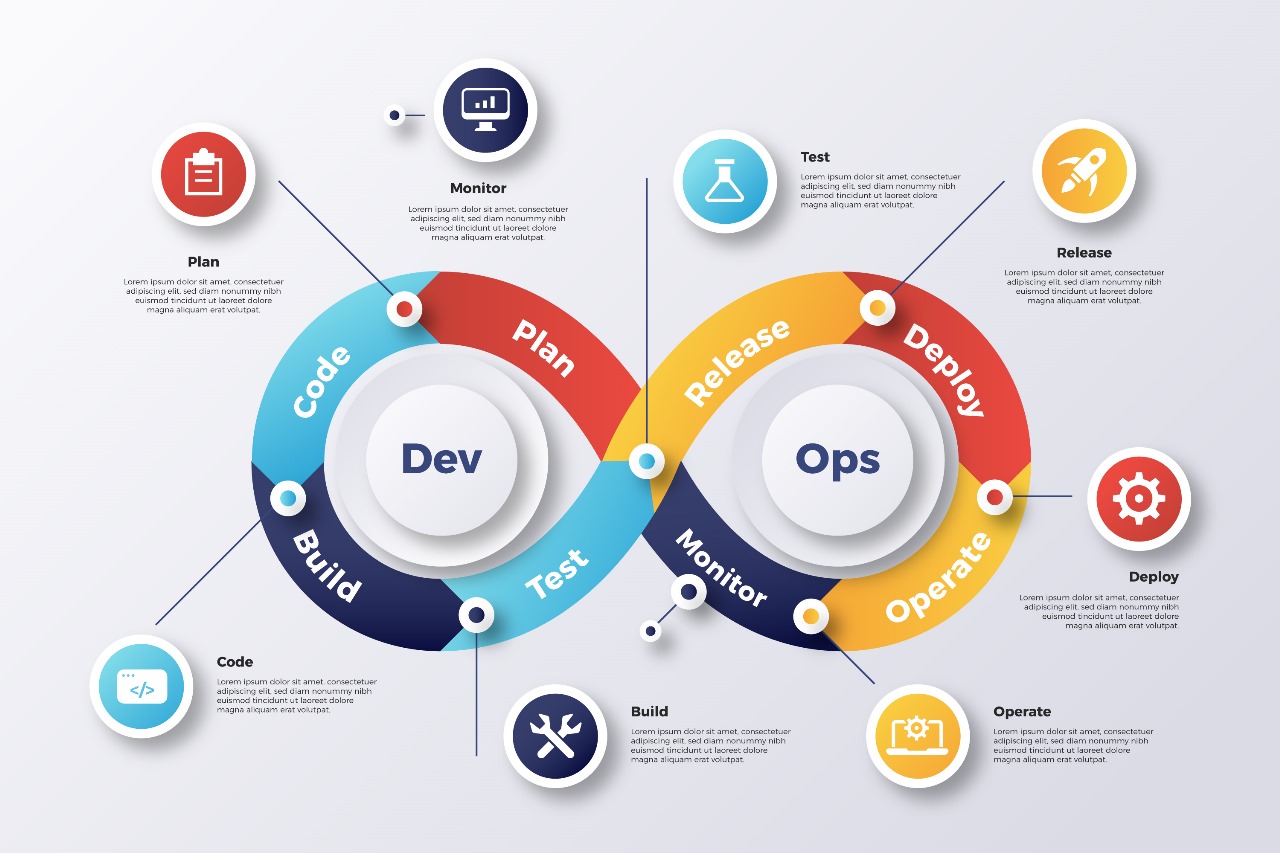
DevOps Journey

Master Modern DevOps Practices

step 01
Linux Fundamentals

Master Linux command line, shell scripting, system administration, and package management.

step 02
Version Control with Git

Learn Git workflows, branching strategies, and collaboration using GitHub/GitLab/Bitbucket.

step 03
CI/CD Pipelines

Implement continuous integration and delivery using Jenkins, GitHub Actions, or GitLab CI/CD.

step 04
Containerization with Docker

Package applications using Docker containers, manage images, and optimize Dockerfiles.

step 05
Orchestration with Kubernetes

Deploy and manage containerized applications at scale using Kubernetes clusters.

step 06
Infrastructure as Code

Automate infrastructure provisioning using Terraform, Ansible, and CloudFormation.

step 07
Monitoring & Logging

Implement observability with Prometheus, Grafana, ELK Stack, and cloud monitoring tools.

step 08
Cloud Platforms & DevOps

Deploy and manage applications on AWS, Azure, or GCP using DevOps best practices.
Who Should Attend the Bootcamp

We Provide

Course Journey

Pre-Bootcamp

  • Comprehensive Learning
  • Weekly Instructor-Led Sessions
  • Optional Problem-Solving Sessions
  • Weekly Assessments

Bootcamp

  • 160+ Hours of Training Sessions
  • 200+ Guided Hands-on Exercises
  • 175+ Hours of Learnings
  • 80+ Hours of Self-Paced Videos
  • 30+ Hours of Problem Solving Sessions
  • 30+ Auto-Graded Assessmentss
  • Numrous Hackathons / Mock Interviews

Graduation

  • Internship Programs
  • Training Bootcamp
  • Certification based Trainings
  • Value added Trainings

Capstone

  • Live / Client based Projects
  • Process Orientation Approch
  • Client Feedback

Tech Career Support

  • 15+ Hours of Personalized Career Guidence
  • Interview prepration
  • Resume buildings
  • Soscial Media Marketing
  • Placement Support Services

DevOps Skills You'll Gain

Implement Infrastructure as Code using Terraform and CloudFormation.

Build and manage CI/CD pipelines with Jenkins, GitLab CI, or GitHub Actions.

Containerize applications using Docker and orchestrate with Kubernetes.

Monitor systems and applications using Prometheus, Grafana, and ELK stack.

Implement configuration management with Ansible, Puppet, or Chef.

Deploy and manage cloud infrastructure on AWS, Azure, or GCP.

Implement security best practices and compliance in DevOps pipelines.

Automate testing and deployment processes for reliability.

Manage logging and implement centralized log management solutions.

image
Bootcamp

DevOps Engineering Bootcamp Syllabus

Module 1: Linux Fundamentals & Cloud Computing

  • Linux system administration
  • Shell scripting (Bash)
  • Cloud computing concepts
  • AWS/GCP/Azure fundamentals
  • Networking basics

  • Terraform for infrastructure provisioning
  • Ansible for configuration management
  • CloudFormation (AWS)
  • Packer for machine images
  • Version control with Git

  • Docker fundamentals
  • Kubernetes architecture
  • Container networking
  • Helm charts
  • Service meshes (Istio/Linkerd)

  • Jenkins pipeline as code
  • GitHub Actions/GitLab CI
  • ArgoCD for GitOps
  • Artifact management (Nexus/Artifactory)
  • Automated testing in pipelines

  • Prometheus & Grafana
  • ELK stack for logging
  • Distributed tracing
  • DevSecOps practices
  • Compliance as code
  • Incident management
image
FAQs

DevOps Frequently Asked Questions

What exactly does a DevOps engineer do?

DevOps engineers bridge the gap between development and operations teams. They automate infrastructure provisioning, implement CI/CD pipelines, monitor system performance, ensure deployment reliability, and optimize the software delivery process. Their work enables faster, more secure, and more frequent software releases.

While not absolutely necessary, Kubernetes has become a critical skill for modern DevOps. It's the leading container orchestration platform that helps manage containerized applications at scale. Most organizations using microservices architecture rely on Kubernetes, making it highly valuable for DevOps professionals to learn.

The learning timeline varies based on your background:
  • 3-6 months for those with IT/development experience
  • 6-12 months for complete beginners
Focus on hands-on practice with tools like Docker, Kubernetes, CI/CD pipelines, and cloud platforms. Real-world projects accelerate learning significantly.

The three major cloud platforms all have excellent DevOps capabilities:
  • AWS - Most mature with the largest market share
  • Azure - Best for Microsoft ecosystem integration
  • GCP - Strong in Kubernetes and data analytics
We recommend starting with AWS as it's most widely used, but the concepts transfer between platforms. Many organizations use multiple clouds.

DevOps focuses on culture, practices, and tools that increase an organization's ability to deliver applications rapidly. SRE (Site Reliability Engineering) is a specific implementation of DevOps principles with more focus on reliability metrics (SLAs, SLOs, SLIs) and operational aspects. SRE teams often use software engineering approaches to solve operations problems.

Yes, basic coding/scripting skills are essential. You should be comfortable with:
  • Scripting languages (Bash, Python)
  • Infrastructure as Code (Terraform, CloudFormation)
  • Configuration management (Ansible, Puppet)
  • Understanding application code (to help with deployments)
While you don't need to be an expert developer, the ability to automate tasks through code is fundamental to DevOps.
image